

Mixed media art represents a thrilling intersection of traditional techniques and modern innovation. It is a genre that encourages artists to break free from the confines of singular artistic mediums, integrating everything from canvas to digital elements, paper to metal. At its core, mixed media art is about exploration, pushing the boundaries of what is considered conventional to discover new artistic possibilities.
Integrating heavy materials like metals, stone, and wood introduces a physicality that challenges both the artist and the medium itself. When these materials are thoughtfully chosen and combined, they can transform a piece from a simple artwork into a complex, layered story. This approach invites both artists and audiences to engage with art on multiple sensory levels, seeing the texture, feeling the weight, and sometimes even hearing the interaction of materials.
For artists diving into mixed media, understanding each material’s properties is crucial not only for aesthetic outcomes but also for the longevity and sustainability of their work. This includes learning how different materials like silver bullion or resources from a local masonry supply can be integrated seamlessly. Artists must consider how each material interacts to create a cohesive narrative that transcends the sum of its parts.
Moreover, the use of mixed media encourages a dialogue between various artistic disciplines, merging fine art, sculpture, and craft. This multicultural and interdisciplinary approach allows artists to tell more nuanced stories by introducing different textures, colors, and layers into their artworks. In this way, mixed media art becomes a harmonious fusion, emphasizing the importance of diversity not only among materials but also in artistic expression itself.
Exploring The Use Of Metals

Metals such as copper, bronze, and steel bring distinctive qualities to mixed media art. Their reflectiveness, durability, and ability to be manipulated into various forms offer artists a broad range of creative possibilities. Utilizing metal fabrication techniques can further enhance these qualities by allowing artists to shape and mold metals to their artistic vision, resulting in intricate designs.
Metal recycling has become an integral component of contemporary art practices, emphasizing the necessity for sustainability. By embracing recycled metals, artists not only contribute to environmental conservation but also endow their creations with history—a recycled piece of metal might bring a narrative from a different era, adding layers and depth. The ability to use these recycled materials stimulates innovation and narrative creativity.
The symbolic nature of metals can transform an artwork from a physical piece into a carrier of stories and emotions. Whether it’s a piece made from silver bullion symbolizing purity or the use of metals to reflect modern industrial themes, the choices artists make regarding metals extend beyond aesthetics. Understanding these implications can enhance the storytelling potency of mixed media artworks.
Additionally, metals like steel are renowned for their structural integrity, making them ideal for supporting other elements in larger installations. Through steel fabrication, artists can create bold and ambitious projects that withstand the test of time. This resilience allows for both ambitious creativity and structural reliability, ensuring that the artwork maintains its intended impact.
The Role Of Gold In Mixed Media
Gold, with its captivating luster, continues to hold a prestigious place in art. Within mixed media, it accentuates other materials by providing contrast and highlights, whether as gold leaf or more substantial gold features. The participation of a gold buyer in securing quality gold allows artists to attain the perfect level of embellishment.
Gold’s physical properties, such as its malleability and resistance to tarnishing, make it a versatile choice for intricate designs needing endurance. Artists can experiment with these properties, creating delicate finishes that can endure the test of time. These qualities, coupled with gold’s symbolic associations with wealth and divinity, imbue artworks with a sense of timelessness and significance.
In mixed media art, gold often functions as a connecting element, weaving together disparate materials into cohesive compositions. As it integrates with more mundane materials, it challenges viewers’ perceptions of value and beauty. Gold highlights the eclectic nature of mixed media, juxtaposing everyday materials with those that hold immense value to create pieces that engage and provoke thought.
Furthermore, the juxtaposition of gold with reclaimed materials, such as those acquired through metal recycling, can create striking narratives about wealth, decay, and renewal. Artists often use this contrast to comment on the impermanence of material wealth and the enduring nature of artistic beauty. Through these subtle yet powerful messages, mixed media artworks incorporating gold offer deeper layers of social commentary.
Incorporating Stone And Natural Elements
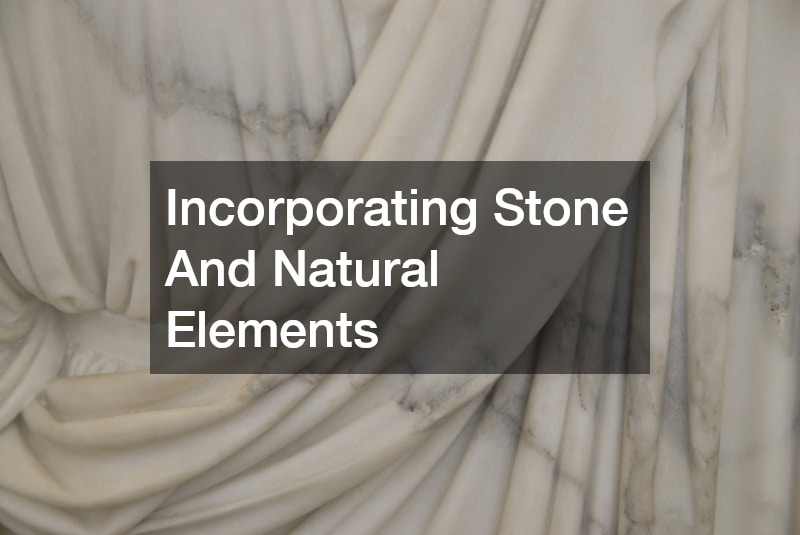
Stone invites a sense of permanence and grounding to mixed media artwork. Smooth stones may provide tranquility, while rugged crushed stone can evoke dynamism. Artists can source such materials from a stone supply store, ensuring access to a variety of textures and appearances that can transform a simple piece into something visually captivating.
The historical and cultural resonance of stone is powerful, often associated with strength and resilience. Through the inclusion of stones, artists can evoke landscapes, long-standing traditions, or environmental phenomena, anchoring their work in broader narratives. In doing so, the artist creates tangible proxies for intangible concepts like time or endurance.
Engaging with local masonry supplies offers artists materials that are rich in both physical and narrative potential. These locales provide stones that carry the personality of the region, integrating artworks with local history and environmental context. Such considerations afford the artwork both a universal and personal narrative capacity, bridging cultural and artistic divides.
Incorporating natural elements such as stone not only brings aesthetic variety but also imbues artworks with ecological consciousness. By selecting stones that are naturally abundant or responsibly sourced, artists can comment on the environmental stewardship required in our modern world. This choice not only elevates the work’s visual appeal but also reflects an awareness of sustainable artistic practices.
The Art Of Working With Wood
Wood stands out in mixed media art for its warmth and tactile nature. Choosing the right kind of lumber is crucial, with options ranging from finely finished products to raw, organic forms. This variety allows artists to integrate wood in a way that accentuates both its natural qualities and the overall aesthetic of the piece.
The textures and grains of wood offer an organic counterpoint to the more industrial or urbanized elements like metal and stone. This duality can be emphasized or rebalanced depending on the artist’s vision, contributing to dynamic and multi-layered artworks. Beyond appearance, wood’s environmental implications, such as sourcing sustainably, play a part in its appeal.
Aside from its visual and tactile contributions, wood encourages interaction, inviting viewers to engage more physically. This sensory engagement may range from touching the smooth sanded surface to feeling the rough bark, offering a multi-dimensional experience. Elements of woodworking, such as joinery and carving, further enhance the narrative depth, providing additional dimensions of craftsmanship.
Furthermore, working with reclaimed wood can add a historical dimension to mixed media pieces. Reclaimed lumber can carry stories and marks from its previous use, injecting the artwork with a rich narrative density. This connection to the past not only enriches the artwork but also lends it authenticity and emotional resonance for the audience.
Choosing The Right Supplies For Your Project

The success of a mixed media project relies heavily on the quality and suitability of the materials chosen. Artists must evaluate potential supplies not only on the merit of their aesthetics but also their contribution to the piece’s structural integrity and longevity. Sourcing from specialized vendors, whether a steel fabrication shop or a stone supply store, ensures materials meet these high standards.
Choosing the right materials often requires collaboration with professionals who understand the nuances of different media. For example, local masonry supplies can offer insights into material durability and aesthetic fit that can prove invaluable for a project’s success. Working with these experts provides artists with a comprehensive view of both possibilities and limitations, ensuring informed choices.
Budgetary constraints must also be considered, balancing quality with financial practicality. Engaging with a gold buyer for gold accents or considering recycled metals can be a part of securing quality while staying budget-friendly. By making intelligent decisions regarding material investment, artists can uphold their creative vision without compromising financial limitations.
Additionally, the engagement with sustainable practices such as metal recycling not only aids in material procurement but also reflects an ethical approach to art-making. This commitment to environmentally friendly practices assures collectors and audiences of the artist’s dedication to sustainability. In turn, ethically sourced materials enhance the allure of the artwork, lending it additional prestige and value.
Restoration And Conservation
The longevity of mixed media artworks is a testament to both the artist’s skill and the materials chosen. When these pieces age, wear and environmental factors can impact their original glory, necessitating methods such as statue restorations. Artists can learn a lot from restoration practices, allowing them to choose materials and techniques that have durability in mind from the outset.
Engaging with professionals in statue restorations or those practicing sustainable conservation can guide artists in maintaining their work. These interactions are vital for understanding how artworks will age and what can be done to mitigate any deterioration. Sharing this insight with collectors adds value to the pieces, enhancing their reputation and longevity in a collection.
The commitment to preservation signals an artist’s dedication to both their works and to environmental responsibility. In choosing materials with sustainability in mind, such as engaging in metal recycling or opting for eco-friendly stone supply options, artists take on a dual role as creators and stewards. This comprehensive approach ensures the legacy of their works endures through the generations.
Furthermore, the restoration process often involves examining the techniques of steel fabrication and woodworking used in the original creation. Understanding these processes allows restorers to sympathetically restore an artwork while maintaining the artist’s original intent. This blend of historical knowledge and modern technique ensures the ongoing protection and appreciation of valuable art pieces.
Integrating Digital Media In Mixed Media Art
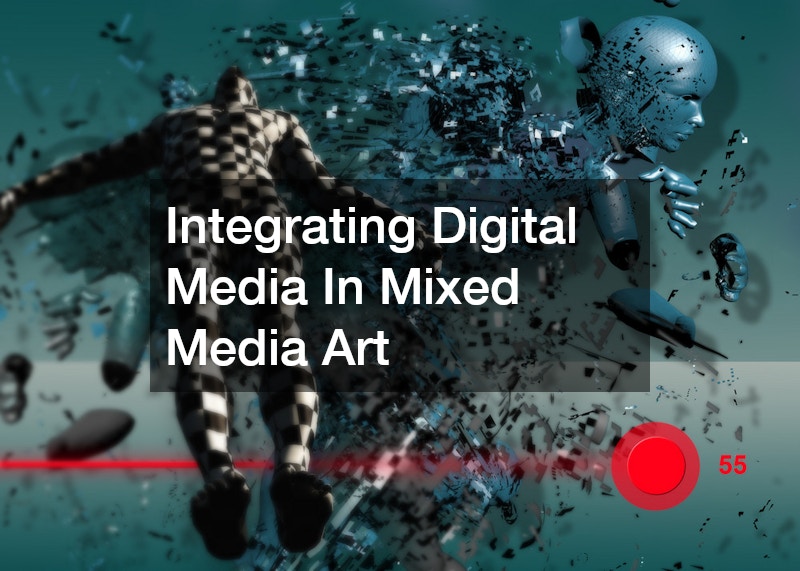
Digital media serves as an exciting frontier in the expansion of mixed media art. By blending digital elements with traditional mediums, artists can create immersive and interactive experiences. These integrations allow viewers to engage with art in novel ways, broadening the scope of how stories and emotions are conveyed.
The use of digital components, such as screens or projections, can enhance the narrative layer of the artwork and introduce elements like motion and sound. By including digital media, artists push the boundaries of what is possible in storytelling within a mixed media framework. This evolution invites audiences to engage in a dialogue that encompasses both the tactile and virtual realms, blurring lines between reality and imagination.
The collaboration between traditional artistic skills and modern digital technology requires a unique set of tools and expertise. Artists looking to incorporate digital media must navigate software and hardware considerations alongside their understanding of physical media like silver bullion or lumber. This harmonious convergence emphasizes art’s adaptability and its ability to evolve with the times.
Digital integrations in mixed media can also amplify environmental messages by leveraging technology to showcase data or environmental statistics. An artist might incorporate real-time data visualization to highlight issues like metal recycling or deforestation. This innovative approach not only enhances the aesthetic appeal but also reinforces the artwork’s relevance and impact through contemporary technologies.
The Significance Of Collaboration In Mixed Media Art
Collaboration plays a pivotal role in the practice of mixed media art, as it brings together a diverse range of voices and expertise. By working with professionals from different fields, such as metal fabrication or local masonry supplies, artists can achieve higher levels of creativity and innovation. This integrative approach enables the creation of multifaceted artworks that are both technically robust and artistically compelling.
Collaborative projects can involve interdisciplinary ventures where artists join forces with engineers, architects, or digital technologists. These creative alliances allow for the realization of ambitious installations or interactive pieces that push the boundaries of mixed media. By merging different disciplines, artists can achieve a synthesis that enriches both their own practice and the broader cultural landscape.
The communal aspect of collaboration in mixed media also reflects a spirit of shared vision and mutual benefit. Artists may engage with communities, empowering local craftsmen or utilizing materials from nearby suppliers, such as a stone supply store. This partnership fosters a sense of collective ownership and pride, breathing life into projects that resonate with and reflect the communities involved.
Collaboration not only broadens artistic horizons but also promotes sustainability by utilizing shared resources. For instance, partnerships with metal recycling entities can secure access to sustainably sourced materials while reducing environmental impact. This synergy between artists and industry partners ensures that mixed media art can thrive into the future, grounded in ethical and resourceful practices.